

















Coming up in Sussex
On now
VenueVarious, Brighton and Hove
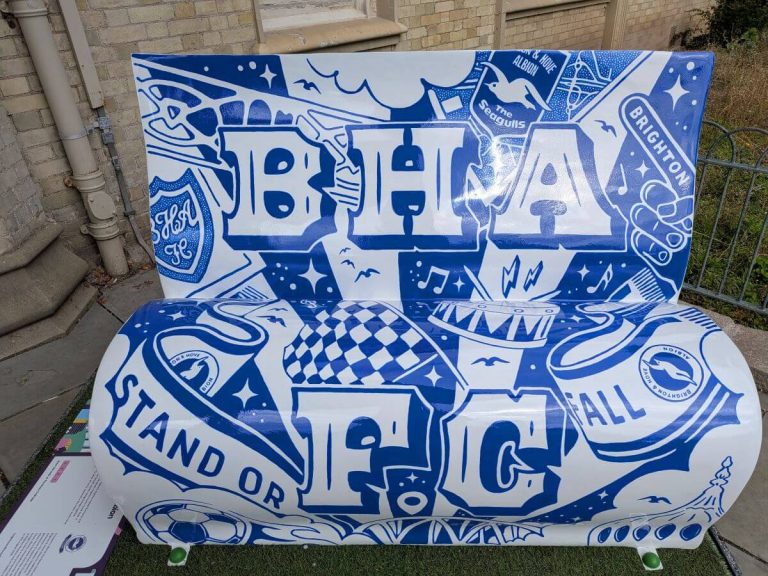
Story Trail: Free BookBench art trail opens across Brighton & Hove to support Amaze
VenueBrighton Toy and Model Museum, Brighton
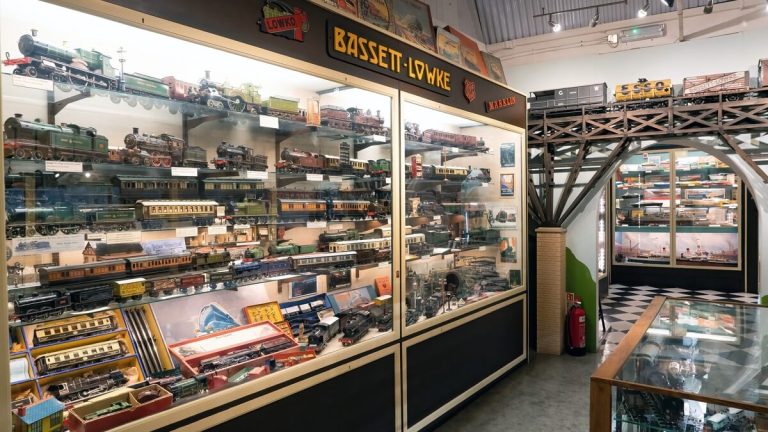
Curtain Up! brings two centuries of toy theatre to Brighton Toy and Model Museum
VenueThe Old Market, Hove
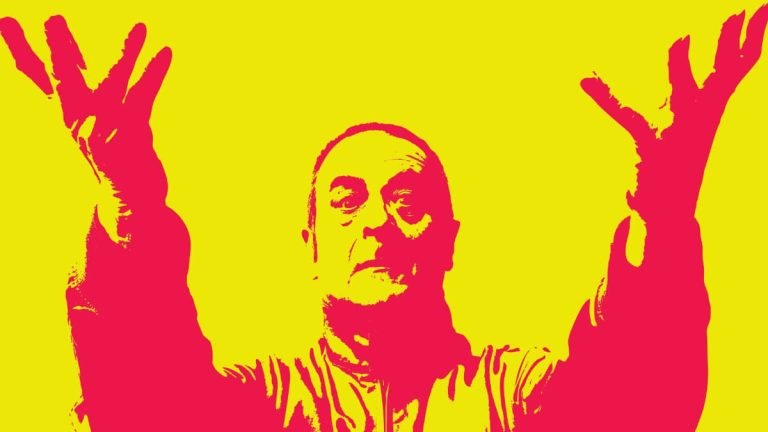
Mark Thomas brings 40th anniversary stand-up tour to Sussex
VenueMike’s Shop, St Leonards-on-Sea
Sarah Gillespie and Chris Montague bring stripped-back duo tour to Sussex
VenueBN9 Studio, Marine Workshops, Newhaven
Shelter exhibition brings Sussex artists’ responses to home and belonging to Newhaven
VenueRoyal Pavilion, Brighton
Dishoom Permit Room brings Diwali dinner and live music to Brighton’s Royal Pavilion


Independent local news for Sussex
The Sussex Guardian team reports on the stories that matter across East Sussex, West Sussex and Brighton & Hove. Our coverage includes breaking news, current affairs, community stories, events, entertainment, reviews, sport and local issues.
As an independent publication, we operate with a smaller team than the major media groups and cannot cover every story. We focus our resources where they can make the greatest difference: producing accurate, informative and well-researched journalism for the communities we serve.
Meet the Sussex Guardian News Team
Samuel MacGregor
Sam MacGregor is the editor of the Sussex Guardian, overseeing the site’s editorial coverage and contributing articles. He also runs and edits the Oxfordshire Guardian.




Interesting facts about Sussex
How many castles are in Sussex?
Sussex has many castles, ruins and former castle sites, but there is no single official total because different lists count surviving buildings, fortified houses, ruins and earthworks differently. Notable examples include Arundel Castle, Bodiam Castle, Lewes Castle, Pevensey Castle, Hastings Castle, Bramber Castle, Amberley Castle, Herstmonceux Castle and Camber Castle.
Where is Sussex?
Sussex is a historic county and cultural region on the south coast of South East England. It stretches from the Hampshire border in the west to the Kent border in the east, with Surrey to the north and the English Channel to the south. For modern local government, the area is divided between West Sussex, East Sussex and Brighton & Hove.
What is the population of Sussex?
Sussex is not a single modern statistical authority, so it does not receive one standalone census total. Adding the Census 2021 populations of the East Sussex County Council area, West Sussex and Brighton & Hove gives approximately 1.706 million residents. Across an area of roughly 3,780 km², that is about 451 residents per square kilometre.
What are the major settlements in Sussex?
Sussex has two cities: Brighton & Hove and Chichester. Major towns include Crawley, Worthing, Eastbourne, Hastings and St Leonards, Bexhill-on-Sea, Horsham, Bognor Regis, Littlehampton, Shoreham-by-Sea, Haywards Heath, Burgess Hill, East Grinstead, Lewes, Seaford, Hailsham, Uckfield and Crowborough. Other well-known communities include Arundel, Rye, Battle, Midhurst, Petworth and Steyning.
What are some famous landmarks in Sussex?
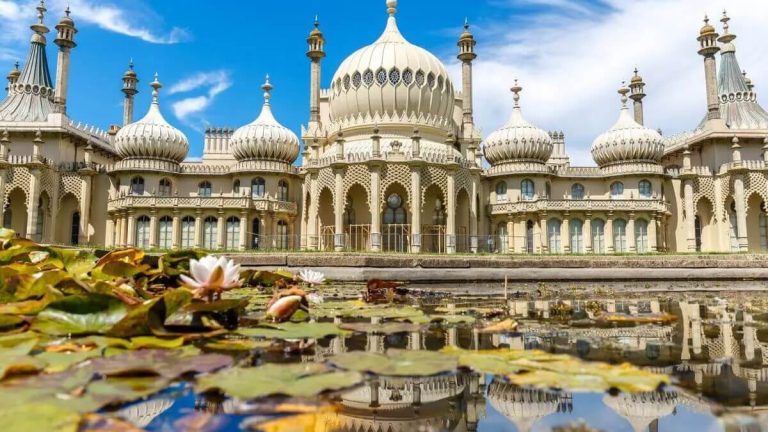
Famous Sussex landmarks include the South Downs National Park, Seven Sisters, Beachy Head, the Royal Pavilion, Brighton Palace Pier, Arundel Castle, Chichester Cathedral, Battle Abbey and the 1066 battlefield, Bodiam Castle, Petworth House, Goodwood, Wakehurst and the historic town of Rye.
What is the history of Sussex?
Sussex has evidence of human activity stretching back to prehistoric times, together with important Roman sites such as Fishbourne Roman Palace and Pevensey. It later became associated with the Kingdom of the South Saxons. The Battle of Hastings was fought near present-day Battle in 1066. Sussex’s later history includes the Cinque Ports, the Wealden iron industry, the growth of seaside resorts and the establishment of separate East and West Sussex administrative counties in 1889.
What does Sussex mean?
The name Sussex comes from the Old English Sūþseaxe, meaning the “South Saxons” or the land of the South Saxons. The name belongs to the same family as Essex, meaning East Saxons, and Wessex, meaning West Saxons.
Why was Sussex split into two counties?
Sussex was traditionally divided into six areas known as rapes, with three in the west and three in the east. The county had long been treated as eastern and western divisions for county business and quarter sessions, and Parliament later formalised that arrangement. The County of Sussex Act 1865 recognised the Eastern and Western divisions for county business and justice, while the Local Government Act 1888 made those two divisions separate administrative counties. Separate administrative counties of East Sussex and West Sussex were formally established in 1889, and the distinction continues through the modern county and ceremonial arrangements.
Is Brighton in East Sussex or West Sussex?
Brighton & Hove is part of the historic county of Sussex and lies on its eastern side. For local government, the city has its own unitary council and is not administered by East Sussex County Council. This is why some administrative maps display Brighton & Hove separately, even though it remains geographically and culturally part of Sussex.
Which famous people are associated with Sussex?
Famous people associated with Sussex include Rudyard Kipling, who lived at Bateman’s near Burwash; Virginia Woolf, who lived at Monk’s House in Rodmell; A. A. Milne, whose Winnie-the-Pooh stories were inspired by the landscape around Ashdown Forest; William Blake, who lived in Felpham; Percy Bysshe Shelley, who was born near Horsham; Henry James, who lived in Rye; and Arthur Conan Doyle, who lived in Crowborough.